
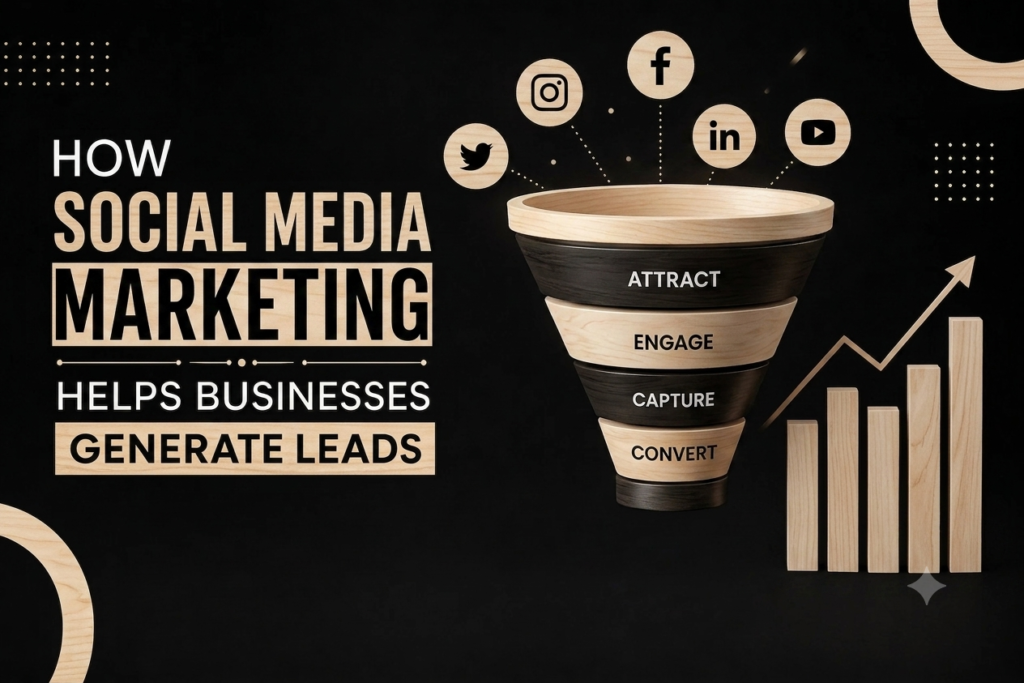
Social Media Marketing’s Role in Lead Generation for Businesses
Social Media Marketing’s Role in Lead Generation for Businesses
In today’s digital world, social media has become one of the most powerful channels for businesses to connect with potential customers. Platforms such as Instagram, Facebook, LinkedIn, and YouTube allow businesses to reach targeted audiences, build relationships, and promote their products or services. However, social media is not only about gaining followers or likes. When used strategically, social media marketing can help businesses generate high-quality leads and convert prospects into customers.
Lead generation through social media involves attracting people who are interested in a business and encouraging them to take valuable actions, such as submitting a contact form, sending a message, signing up for a service, downloading a resource, or making an inquiry. With the right content, targeting, advertising, and engagement strategy, social media can become an important part of a company’s overall marketing funnel.
What Is Social Media Lead Generation?
Social media lead generation is the process of using social media platforms to identify, attract, and convert potential customers. Instead of simply promoting a product, businesses create content and campaigns that encourage users to provide their contact information or interact directly with the brand.
For example, a digital marketing agency may publish an informative post about SEO and offer a free website audit. Interested users can click a link, submit their details, and become potential leads. The business can then follow up with these prospects through email, phone calls, or direct messages.
This approach allows businesses to move users from social media awareness toward genuine buying interest.
Builds Brand Awareness and Visibility
The first step in generating leads is getting your business in front of the right audience. Social media platforms provide businesses with opportunities to increase brand visibility without relying entirely on traditional advertising.
Consistently publishing valuable content helps people discover and remember a brand. Educational posts, short videos, customer testimonials, industry tips, and product demonstrations can attract users who are interested in a particular product or service.
As brand awareness increases, potential customers are more likely to recognize and trust the business when they are ready to make a purchase.
Reaches the Right Target Audience
One of the greatest strengths of social media marketing is audience targeting. Businesses can create campaigns based on factors such as location, interests, demographics, online behavior, and professional information.
For example, a local service business can target people within a specific geographical area, while a B2B company can use LinkedIn to reach professionals and decision-makers.
Accurate targeting helps businesses avoid wasting their marketing budget on people who are unlikely to become customers. Reaching the right audience increases the chances of generating relevant and valuable leads.
Creates Engaging Content
Social media lead generation is influenced by content . People are more likely to interact with content that solves a problem, answers a question, or provides useful information.
Businesses can use different content formats, including:
- Educational posts
- Instagram Reels and short-form videos
- Infographics
- Customer reviews
- Case studies
- Product demonstrations
- Polls and interactive content
- Industry tips and insights
The purpose is not necessarily always to sell. Providing useful information first helps businesses establish credibility and encourages potential customers to engage with the brand.
Uses Paid Social Media Advertising
Organic social media can generate leads, but paid advertising can help businesses reach a larger and more specific audience. Platforms such as Facebook, Instagram, and LinkedIn offer advertising options designed to support lead generation.
Businesses can create campaigns with specific objectives, such as website visits, messages, conversions, or lead form submissions. Lead-generation advertisements can make it easier for interested users to submit their information without leaving the social media platform.
Paid campaigns can also be tested and optimized based on metrics such as cost per lead, click-through rate, conversion rate, and engagement.
Builds Trust Through Social Proof
Trust is a major factor in a customer’s purchasing decision. Social media gives businesses an opportunity to demonstrate credibility through social proof.
Customer testimonials, reviews, before-and-after results, case studies, user-generated content, and successful project examples can help potential customers understand the value of a product or service.
When people see real experiences from existing customers, they may feel more confident about contacting the business. This can significantly improve the quality of leads generated through social media.
Encourages Direct Communication
Social media enables companies to interact directly with their prospective clients.. Features such as direct messages, comments, live sessions, and chat options make it easier for users to ask questions before making a decision.
Quick and helpful responses can improve the customer experience and move prospects closer to conversion. Businesses should monitor their social media accounts regularly and respond professionally to genuine inquiries.
Direct communication can also help businesses understand customer needs, common objections, and frequently asked questions.
Drives Traffic to Landing Pages
Social media can also work as a traffic source for dedicated landing pages. Businesses can promote useful resources, special offers, consultations, webinars, or product pages through social media posts and advertisements.
A well-designed landing page should have a clear message, a strong call to action, and a simple lead form. The fewer unnecessary steps users have to complete, the easier it becomes to convert interested visitors into leads.
Measures and Improves Performance
Successful social media lead generation requires continuous measurement. Businesses should track important metrics to understand which campaigns and content are producing results.
Some useful metrics include:
- Number of leads generated
- Cost per lead
- Conversion rate
- Click-through rate
- Engagement rate
- Website traffic
- Return on advertising spend
By analyzing these results, businesses can identify what works and make improvements to their future campaigns.
Conclusion
Social media marketing helps businesses generate leads by combining visibility, targeted advertising, valuable content, engagement, trust, and direct communication. It allows businesses to reach potential customers at different stages of the buying journey and guide them toward taking meaningful actions.
However, successful lead generation does not happen simply by posting regularly. Businesses need a clear strategy, relevant content, accurate audience