
Social media has emerged as one of the most effective ways for companies to engage with prospective clients. Social media sites like Facebook, Instagram, LinkedIn, YouTube, and TikTok give businesses the chance to access big audiences, create communities, and promote their goods and services. Nevertheless, thousands of followers do not always translate into thousands of clients. Businesses can use social media marketing strategies to build customer trust and increase conversions. Learn more about social media best practices through the official Meta Business website.
The true value of social media marketing stems from converting attention into action. A great social media strategy should lead consumers from viewing your content to engaging with your brand, trusting your company, and eventually completing a purchase. Posting eye-catching photos and pursuing likes are only two aspects of this approach. Companies must understand their target market, produce insightful content, build relationships, and provide clear paths to conversion. As the Best Digital Marketer in Ernakulam, I focus on helping businesses improve their social media presence, build customer trust, and turn followers into loyal clients.
Businesses can improve their online visibility and attract potential customers through effective social media strategies. Explore my SEO Services to learn how search engine optimization can support your business growth.
Understand Your Target Audience
Knowing your social media followers is the first step in turning them into clients. Companies should determine their target market by taking into account variables like age, location, demands, interests, purchase patterns, and difficulties.
Concentrate on the people who are most likely to require your product or service rather than producing information for everyone. Knowing your target enables you to craft messages that speak to their particular issues.
Create Content That Provides Value
For instance, a fitness company could produce content about diet, exercise advice, typical fitness blunders, and client success stories. People who are actually interested in fitness are drawn to this kind of pertinent content, which raises conversion rates.
Ads are not the primary reason people follow business accounts. They follow brands because they anticipate amusing, instructive, motivational, or helpful material.
Several content forms, including the following, should be part of a solid content strategy:
- Instructional articles and advice
- Videos in short form and reels
- Product demos
- Client endorsements
- Content from behind the scenes
- FAQs and content that solves problems
- Industry perspectives
- Content created by users
Making your audience believe that following your brand is worthwhile is the aim. Consistently providing helpful information makes your company more memorable and reliable.
Establish Credibility Before Making a Sale Request
One of the main elements affecting decisions to buy is trust. A follower may discover your brand today but may not be ready to buy immediately.
Businesses can build trust by showing real customer experiences, sharing reviews, answering questions, displaying expertise, and being transparent about their products or services.
Customer testimonials and case studies are particularly powerful because they provide social proof. When potential customers see that other people have had positive experiences with your brand, they may feel more confident about taking the next step.
Use Strong Calls to Action
Even outstanding content may not result in sales if you do not tell your audience what to do next.
A clear call to action, or CTA, directs followers to take the intended action. Depending on your objective, CTAs may consist of:
- “Send us a DM to know more.”
- “Visit our website.”
- “Book your consultation.”
- “Get your free quote.”
- “Shop now.”
- “Save this post for later.”
- “Comment your questions below.”
Your CTA should be straightforward, relevant, and easy to grasp. Don’t give users too many options at once.
Use Social Media Stories to Encourage Interaction
You may establish regular touchpoints with your audience by using stories. They may personalize a brand and encourage fans to engage.
Polls, questionnaires, quizzes, countdowns, product previews, customer evaluations, and time-limited deals are all effective ways for businesses to boost engagement.
For instance, a fashion firm might ask its followers in a survey what color they would like to see on a new product. In addition to fostering connection, this provides the company with insightful information about consumer preferences.
Make the Buying Journey Simple
One of the most common mistakes organizations make is introducing needless stages between social media content and purchase.
If someone is interested in your goods, make it simple for them to take action. Your social media page should make it obvious what your company does and how customers can get in touch with or buy from you.
Use pertinent profile links, product pages, WhatsApp or messaging options, booking forms, and clear contact information as needed.
The likelihood that prospective customers may depart before completing the transaction decreases with the ease of the customer journey.
Combine Organic Content With Paid Advertising
Organic social media content is great for creating relationships, but sponsored advertising can help businesses reach their target audiences more effectively.
Companies can use social media advertising to retarget website visitors, create leads, advertize items, or get in touch with those who have already engaged with their content.
For instance, a person might view a product video but decide not to buy it right away. Retargeting allows the company to present relevant adverts to that person later, keeping the product in their mind.
Engage With Your Followers
Social media ought to be viewed as a dialog rather than a platform for broadcasting. Responding to comments, messages, mentions, and queries can help you build relationships with potential consumers.
Quick and helpful responses demonstrate that your company values its customers. Even a straightforward inquiry in the comments section might serve as a chance to show off your knowledge and establish credibility.
Businesses may enhance future content, goods, and services by better understanding what consumers genuinely desire thanks to engagement.
Measure What Actually Converts
Although likes and follower counts are helpful metrics, they shouldn’t be the sole ones used to gage performance.
Companies should monitor parameters like:
- Clicks on websites
- Leads produced
- Direct communications
- Rate of conversion
- Product questions
- Sales
- The price per lead
- Return on investment for advertising
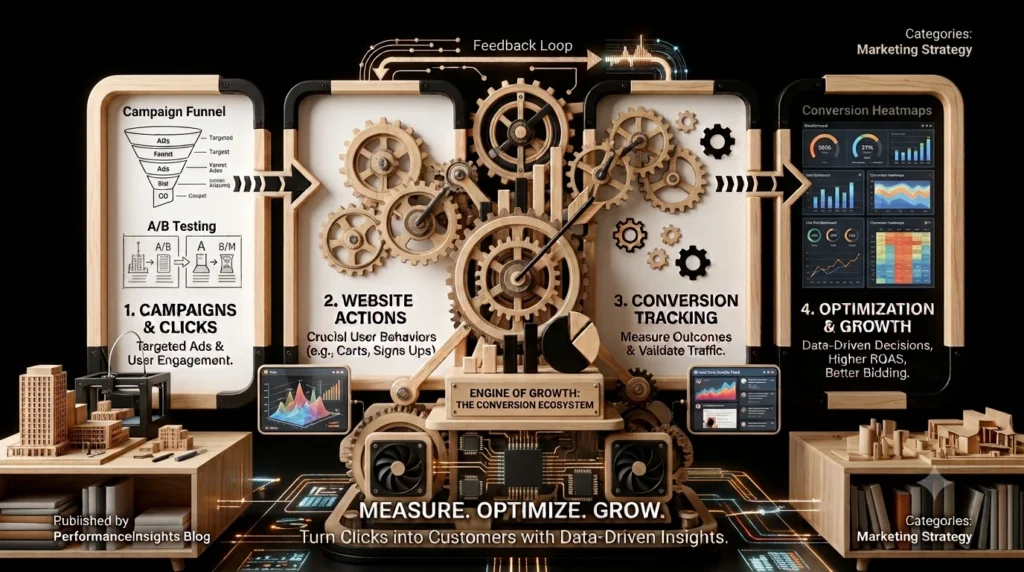
These analytics aid in determining which content and marketing are most effective in driving growth. If a specific sort of article leads to more inquiries or sales, the company can publish more content around that format or topic.
Turn Customers Into Brand Advocates
When someone makes a purchase, the relationship shouldn’t stop. Satisfied clients can act as effective brand ambassadors for your company.
Encourage customers to write feedback, share their experiences, tag your business, and produce user-generated content. Businesses are allowed to highlight these encounters on their social media platforms.
This starts a vicious loop whereby good content draws followers, followers turn into clients, and happy clients generate social proof that draws in additional clients.
Frequently Asked Questions (FAQs)
1. How may people who follow you on social media become clients?
Businesses may convert followers into customers by knowing their needs, producing excellent content, establishing trust, utilizing clear calls to action, and simplifying the purchasing process.
2. Is gaining more followers crucial to the expansion of a business?
Reaching can be increased by having a huge following, but the quality of followers matters more than their quantity. A smaller audience that truly wants your product can create more sales than thousands of inactive followers.
3. What is the most effective kind of social media content?
Content that addresses consumer problems, showcases products, gives testimonials, answers concerns, and provides relevant information can help increase conversions. The target audience and business objectives determine the optimal format.
4. Should companies advertize on social media for a fee?
Businesses may reach particular audiences, create leads, advertize items, and retarget prospective clients with the use of paid advertising. When paired with robust organic content and a well-defined conversion plan, it performs best.
5. How can companies track social media conversions?
Website traffic, leads, messages, queries, sales, conversion rates, and advertising success may all be monitored by businesses. These measurements give a more accurate view of whether social media is boosting company expansion.
6. How frequently should a company post on social media?
Posting frequency is not universal. Businesses should prioritize consistency and quality when determining a feasible schedule. Regular, relevant content is more beneficial than frequent posting without a clear strategy.
Conclusion
Converting social media followers into customers does not entail constantly begging them to buy. Creating a path from attention to engagement, engagement to trust, and trust to conversion is the goal.
Companies should comprehend their target market, regularly produce worthwhile content, cultivate sincere connections, employ obvious calls to action, streamline the purchasing process, and track significant outcomes. When organic content, community involvement, and targeted advertising are combined, social media may be a potent tool for business success.
Gaining more followers shouldn’t be the only objective in the end. The objective is to develop a brand-trusting and action-ready audience. Social media can become more than just a platform for visibility when companies prioritize connections above vanity metrics. It can also become a reliable source of leads, clients, and long-term growth.